Why oil stains are such a pain
Oil doesn't dissolve in water — that's the whole problem. Water and oil just don't mix, so if your instinct is to grab the shirt and run it under the tap, you're basically watching the stain shrug at you. What actually works is soap, because dish soap (the good old-fashioned stuff, think Morning Fresh or Palmolive) is built to grab onto grease and lift it away — it's literally designed for cutting through oil on your frying pan, and your shirt isn't that different.
Doesn't matter if it's olive oil from your pasta, a chip off the chippy, sunscreen, a bit of engine oil from fiddling with the car, or a make-up remover slick — same rules apply. Oil-based stain, oil-based fix.
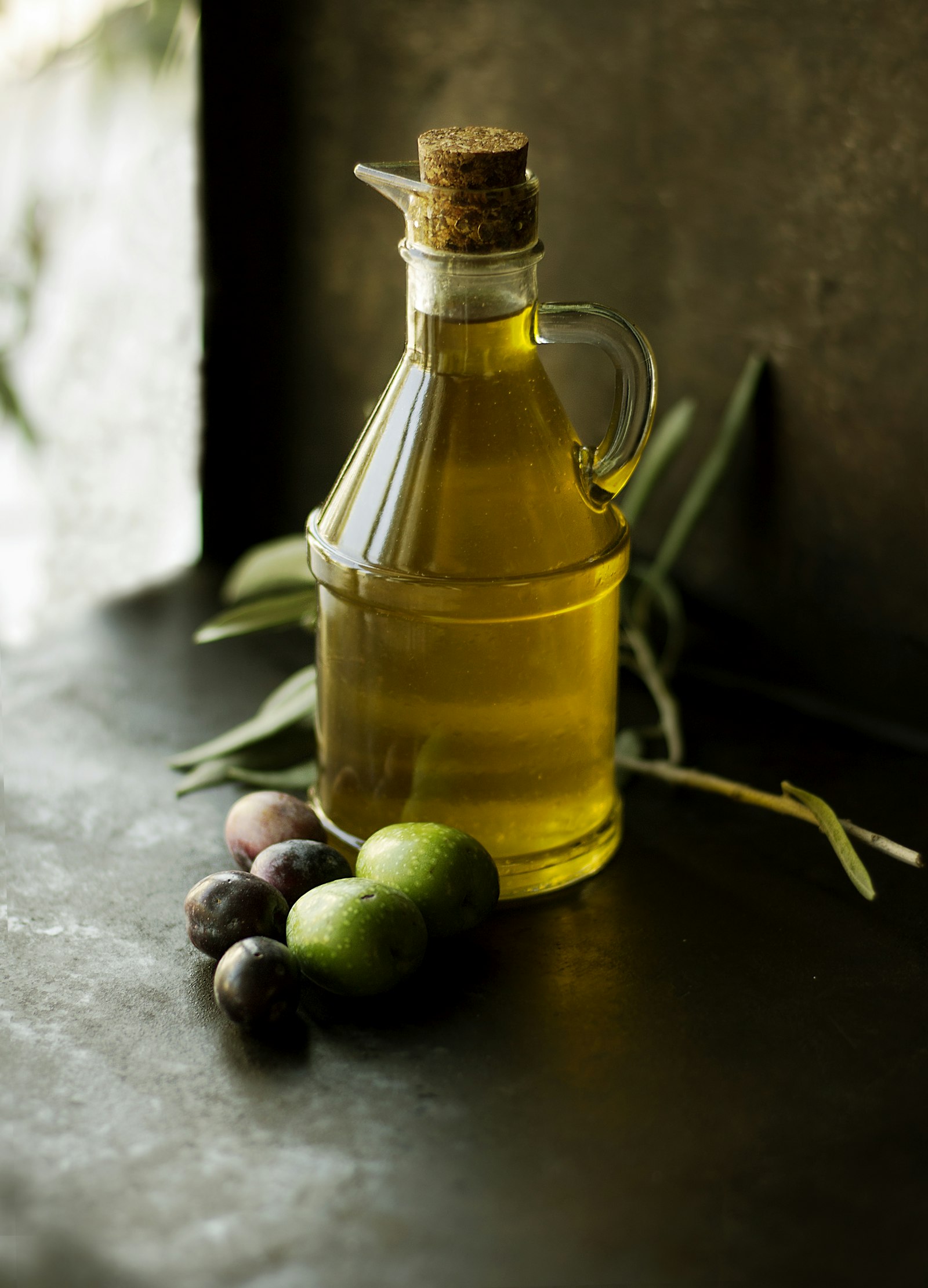
Fresh stain? Do this straight away
- Blot, don't rub. Grab a paper towel or a clean rag and press down to soak up as much of the excess oil as you can. Rubbing just pushes it deeper into the weave and spreads it wider — resist the urge.
- Dish soap, straight on the stain. A few drops directly onto the mark, worked in gently with your fingers or an old toothbrush. Let it sit for about ten minutes.
- Rinse with warm water. Not boiling, not cold — warm water actually dissolves oil better than cold does, which trips a lot of people up because everyone assumes cold water is always the safe choice.
- Wash as normal, hottest safe temperature. Check the care label first, but generally you want it as warm as the fabric can handle.
- Check before it goes anywhere near heat. Air dry it, hold it up to the light, and if there's even a shadow of the stain left — wash it again. Don't dry it "just in case it comes out in the wash later." It won't. Heat sets oil stains permanently.
Old or already-dried oil stain
If it's set in — maybe it went through the dryer once already, or you've only just noticed it on a jacket you haven't worn in months — baking soda or cornstarch is your friend before you even get to the soap stage. Sprinkle it thick over the stain and leave it a few hours, ideally overnight, so it has time to actually draw the oil back out of the fibres. Brush off the powder, then go through the dish soap steps above. It might take two or three rounds for a properly set-in stain — that's normal, don't give up after one wash.
What not to do
- Don't tumble dry until you're 100% sure the stain is gone. Heat cooks the oil into the fabric and at that point you're stuck with it forever.
- Don't scrub hard with a brush on delicate fabric — you'll damage the weave before you shift the stain.
- Don't reach for hot/boiling water on a fresh stain out of panic. Warm is plenty.
- Don't ignore it "because it'll come out in the normal wash" — a standard cycle with normal detergent often isn't enough grease-cutting power on its own.
Fabric-specific notes
Cotton and polyester blends are forgiving — you can go in fairly hard with dish soap and warm water. Wool and silk are a different story: dish soap can be too harsh and warm water can felt wool or water-mark silk, so for anything delicate, dab (don't soak) with a small amount of diluted dish soap, and honestly, if it's a good silk blouse, this is exactly the kind of thing worth handing to a professional rather than risking it yourself.
When it's beyond a DIY fix
Some stains just win — old, set-in oil on a favourite jacket, or oil mixed with something else (bike chain grease, say) that's harder to shift. If you've had a go and it's still there, don't keep bashing away at it with random kitchen products — that's how fabric gets damaged. Our wash & fold service handles tougher loads with proper stain pre-treatment before anything goes near the dryer, so it's worth a shot before you write the garment off.
Common questions
Does toothpaste actually remove oil stains?
Not really — that's one of those internet tips that sounds plausible but doesn't hold up. Toothpaste is mildly abrasive, not a degreaser. Stick with dish soap, it's specifically formulated to break down oil and it's what actually works.
Can I use WD-40 to get an oil stain out?
Handy trick for old stains that have already been through the wash and set — a light spray of WD-40 can reactivate the stain enough to treat it with dish soap again. Not something you'd reach for on a fresh stain though, and always wash it out thoroughly afterwards.
Is hot water better than cold for oil stains?
Warm, not hot. Oil dissolves better in warm water than cold, but boiling water can set some fabrics and shrink others. Warm tap water plus dish soap is the sweet spot.
Got a stain that's beaten you? Bag it up and let us deal with it — our wash, dry & fold service handles the tricky loads too, and we'll flag anything that needs special care before it goes anywhere near a dryer.
Book a Laundry PickupSources: Seventh Generation, Whirlpool, Tide, Maytag laundry-care guides, and general cleaning-science consensus on oil/grease stain treatment. Fact-checked 29 July 2026. General guidance only — always check your garment's care label first.